
services

Pediatric trach emergency training

Pediatric Tracheostomy Emergency Training | Build Confidence Not Fear

Your child has a tracheostomy, and you need to train caregivers and family members in emergency response without terrifying them or your child.

Proper emergency training builds competence and confidence. Age appropriate education helps children understand their own device. This guide covers realistic emergency training without inducing panic, so your entire team—including babysitters, school staff, and siblings—is prepared to respond calmly and effectively.
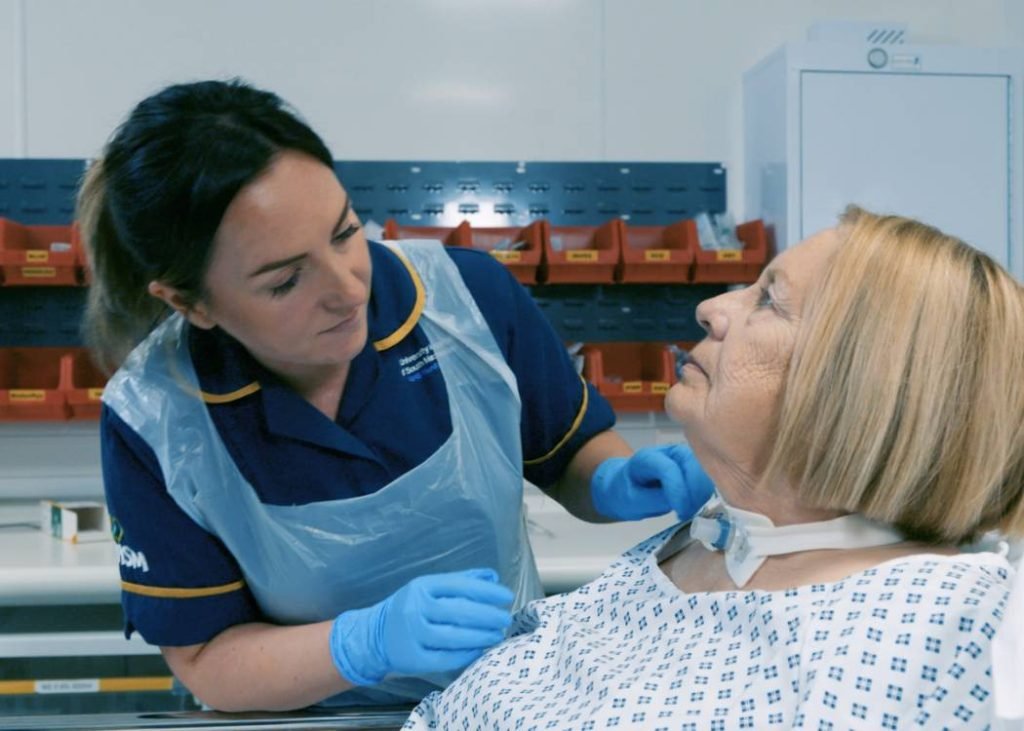

Why Pediatric-Specific Emergency Training Matters

Children with tracheostomies benefit from realistic, non-scary emergency training. Research shows:

  • Children educated about their device show less anxiety and better coping
  • Trained caregivers respond faster to emergencies with fewer errors
  • Mock emergency practice builds confidence (not panic)
  • Clear protocols reduce confusion during actual emergencies
  • Age-appropriate education leads to better outcomes

Emergency Training by Age: Developmental Approach

Toddlers (Ages 2-3)

Training Focus: Very basic awareness, not technical understanding

  • "Tube helps you breathe"
  • "It's part of your body now"
  • "Don't touch the tube by yourself"
  • Simple, concrete language
  • Normalize routine care (don't make it scary)
  • Praise cooperation during care

Preschoolers (Ages 3-5)

Training Focus: Understanding + basic emergency concepts

  • "Your tube is special. It helps you breathe like other kids breathe."
  • "Sometimes grown-ups do 'sucky time' to help you breathe better."
  • "If tube comes out, we put it back in. It's okay."
  • "If you're scared, tell mommy or daddy."
  • Use dolls or stuffed animals to explain procedures
  • Make routine care fun (songs, games, rewards)

Elementary School (Ages 6-12)

Training Focus: Understanding + problem-solving + participation

  • "Your trach is like your lungs' special door. When the door closes (get blocked), you can't breathe. We need to open the door."
  • "Here's how we do it..." (show suctioning, flushing)
  • "If you notice something feels weird, tell an adult immediately."
  • "Here's our emergency plan if the tube comes out."
  • Involve child in care decisions (which nose? comfort measures?)
  • Practice mock emergencies together (fun, not scary)
  • "You're smart and brave. We're here to help."

Teenagers (Ages 13+)

Training Focus: Full understanding + independence + self-advocacy

  • Detailed medical understanding of tracheostomy
  • Hands-on training in own care procedures
  • "Here's how to recognize problems and what to do."
  • "How do you want to explain this to friends?"
  • Teaching teen to advocate for self at school/work
  • Planning for college/independence
  • "You can do most of this yourself. We're here when you need us."

Babysitter & Caregiver Training

What Babysitters Need to Know

Babysitters don't need to perform technical care, but need to:

  • Recognize when child is in distress
  • Know basic emergency procedures
  • Know when to call 911 vs. call parents
  • Keep emergency contact numbers accessible
  • Feel comfortable asking questions
  • Know location of go-kit and how to use it (basic level)

Babysitter Training Checklist

Before Babysitter Watches Child:

  • Show babysitter what tracheostomy looks like (reduce fear)
  • Explain that child can do most normal activities
  • Show location of go-kit and what's in it
  • Review emergency contact numbers (posted visibly)
  • Explain signs of problems (gurgling, struggling to breathe)
  • Role-play: "If [child] has trouble breathing, what do you do?"
  • Clarify: "Don't try to fix medical problems. Call 911 and us."
  • Leave written one-page emergency protocol (easy to reference)
  • Ask babysitter if they have questions
  • Tell child you trust babysitter, they're prepared to help

Sibling Education: Age-Appropriate Understanding

Siblings should understand their brother/sister's medical device without fear or misunderstanding:

Teaching Siblings:

  • Normalize the Device: "This is [Sibling's name]'s tube. It helps them breathe."
  • It's Not Contagious: "You can't catch it. It's not something bad."
  • Sibling is Same Person: "They like to play and have fun just like you."
  • Don't Touch Accidentally: "The tube is special. We don't pull on it or mess with it."
  • How to Help: "If [Sibling] seems scared, you can hold their hand and tell them we're here."
  • It's Not Scary: "Sometimes it looks odd, but it's okay. We know how to help."
  • Ask Questions: "Do you have questions? I want to explain so you feel okay."

Mock Emergency Scenarios (Practice Without Panic)

Regular, low-pressure practice builds competence and confidence:

Scenario #1: Blocked Tube Simulation

What to Do:

  1. Explain to family: "We're practicing what to do if the tube gets clogged."
  2. Child lies down, take a few practice suctioning strokes (very gentle, no actual suctioning)
  3. Practice saying: "The tube is blocked. We're going to try gentle suctioning."
  4. After practice: praise everyone for being calm and prepared
  5. Explain what worked and what we could improve

Scenario #2: Tube Displacement Simulation

What to Do:

  1. Explain: "We're practicing if the tube comes out."
  2. Have child sit up, practice checking breathing (is child breathing okay?)
  3. Practice saying: "Stay calm. Let me check if you're breathing. You're doing great."
  4. Practice getting backup tube and go-kit (don't actually insert)
  5. Practice calling parents or 911 (phone simulation)
  6. After practice: celebrate everyone's calmness

Scenario #3: What-If Questions

Conversation-Based Practice:

  • "What would you do if the tube came out at school?"
  • "How would you tell a teacher something's wrong?"
  • "What do you do if you feel scared?"
  • "How would you explain it to a friend?"

Teaching Your Child to Communicate Needs

Children should learn to advocate for themselves:
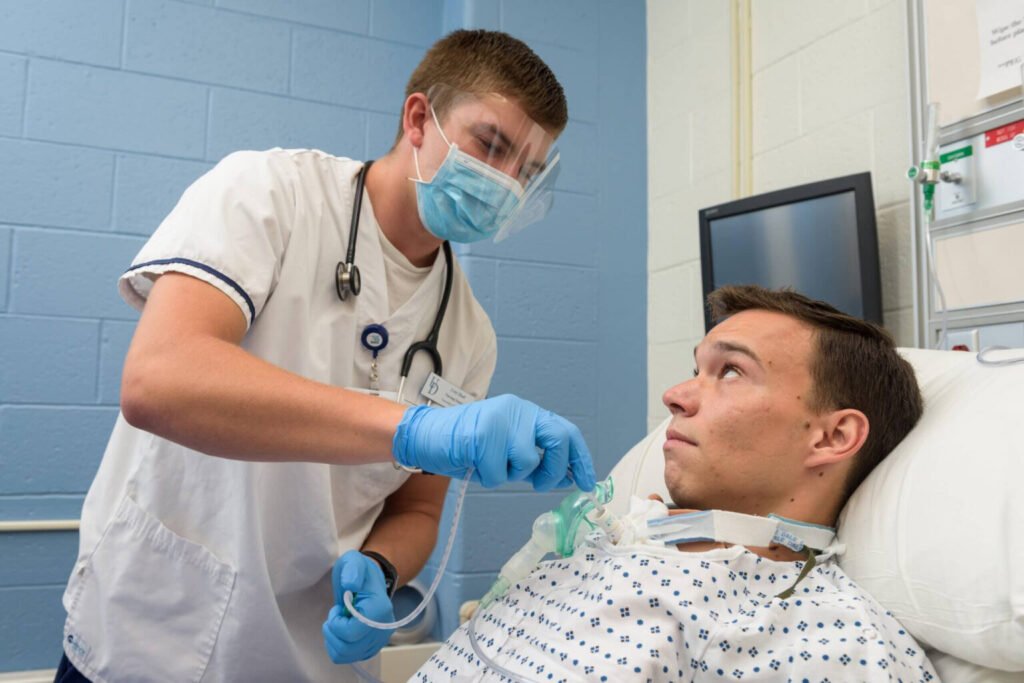
  • "Tell me if something doesn't feel right."
  • "If you're having trouble breathing, tell an adult immediately."
  • "It's always okay to ask for help."
  • "We're proud of you for helping us know what you need."
  • "You're smart about your own body. Tell us what you notice."

Making Practice Fun, Not Scary

DO:

  • Keep practice sessions short (5-10 minutes)
  • Use positive language ("You're doing great!")
  • Celebrate preparedness ("We're ready to help!")
  • Use humor when appropriate ("Superhero suctioning!")
  • Practice monthly (keeps skills fresh)
  • Make it normal ("Just like we practice fire drills")

DON'T:

  • Use scary language or dire predictions
  • Practice too frequently (creates anxiety)
  • Force participation if child is upset
  • Use emergency practice as punishment
  • Allow excessive focus on "what-if" catastrophes
  • Practice at bedtime (may disturb sleep)

FAQ: Pediatric Emergency Training

Will emergency training scare my child?

Age-appropriate, low-pressure practice builds confidence, not fear. Avoid scary language, keep sessions short, use humor, and celebrate preparedness. Research shows children taught about their device in age-appropriate ways show LESS anxiety than those not educated.

How often should we practice emergencies?

Monthly practice is ideal. Short, fun practice sessions (5-10 minutes) keep skills fresh without creating anxiety. Can rotate scenarios: one month blocked tube, next month displacement, etc.

Should my child learn to help with their own care?

Age-appropriate participation builds confidence and self-advocacy. Toddlers: just understand. Preschoolers: watch and assist. Elementary: participate actively. Teens: learn to perform most care themselves. Always supervise and teach proper technique.

Support for Implementation

We provide pediatric-specific emergency training including:

  • Age-appropriate training for your child
  • Babysitter education & training
  • Sibling education
  • School staff training
  • Monthly practice scenarios
  • Written emergency protocols for all caregivers
  • Ongoing consultation and support

Related Resources