
Your child has a tracheostomy, and you need to train caregivers and family members in emergency response without terrifying them or your child.
Proper emergency training builds competence and confidence. Age appropriate education helps children understand their own device. This guide covers realistic emergency training without inducing panic, so your entire team—including babysitters, school staff, and siblings—is prepared to respond calmly and effectively.
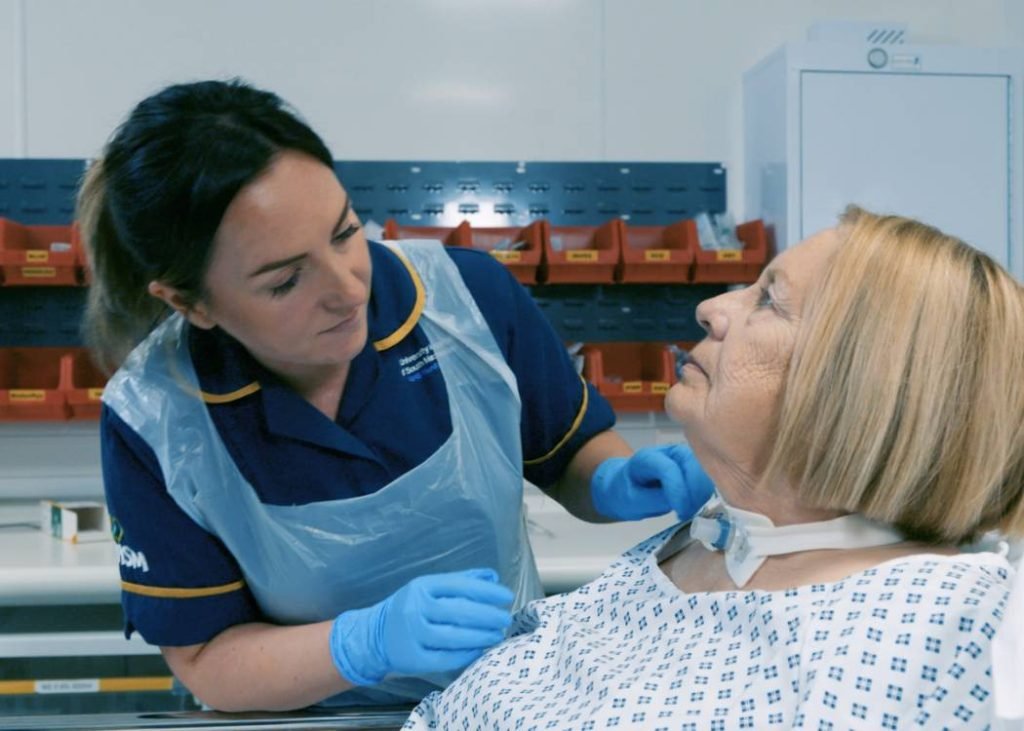

Children with tracheostomies benefit from realistic, non-scary emergency training. Research shows:
Training Focus: Very basic awareness, not technical understanding
Training Focus: Understanding + basic emergency concepts
Training Focus: Understanding + problem-solving + participation
Training Focus: Full understanding + independence + self-advocacy
Babysitters don't need to perform technical care, but need to:
Before Babysitter Watches Child:
Siblings should understand their brother/sister's medical device without fear or misunderstanding:
Regular, low-pressure practice builds competence and confidence:
What to Do:
What to Do:
Conversation-Based Practice:
Children should learn to advocate for themselves:
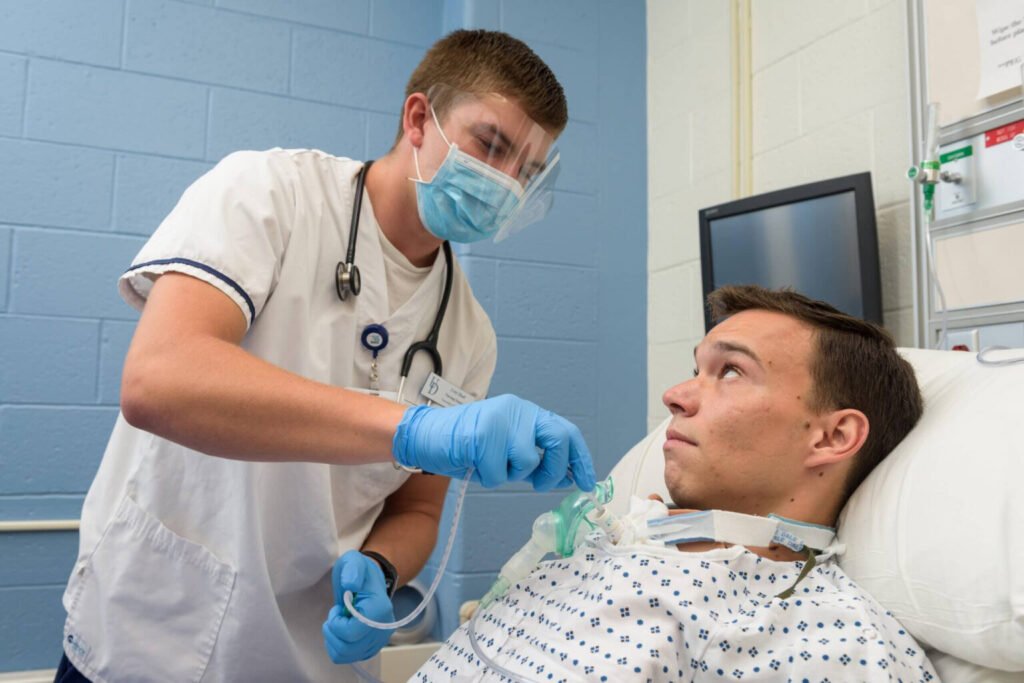
Age-appropriate, low-pressure practice builds confidence, not fear. Avoid scary language, keep sessions short, use humor, and celebrate preparedness. Research shows children taught about their device in age-appropriate ways show LESS anxiety than those not educated.
Monthly practice is ideal. Short, fun practice sessions (5-10 minutes) keep skills fresh without creating anxiety. Can rotate scenarios: one month blocked tube, next month displacement, etc.
Age-appropriate participation builds confidence and self-advocacy. Toddlers: just understand. Preschoolers: watch and assist. Elementary: participate actively. Teens: learn to perform most care themselves. Always supervise and teach proper technique.

We provide pediatric-specific emergency training including: