
Your loved one’s G-tube site looks red, feels warm, or has discharge. Is this normal? When is it an infection?
Proper daily site care prevents 80% of G-tube infections. This comprehensive guide covers cleaning protocols, dressing changes, infection recognition, and skin protection so you maintain a healthy stoma and prevent complications.
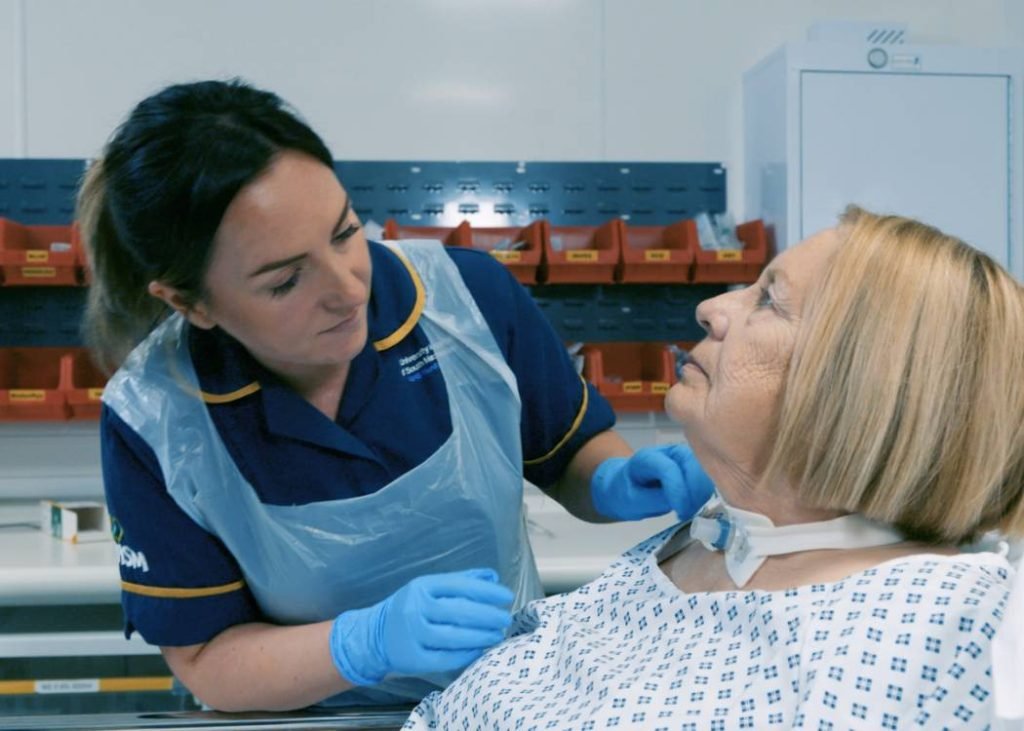

The stoma (opening where tube exits body) is a surgical wound that requires daily care. Infections at the site are preventable with proper protocols. Regular maintenance prevents:
Excess moisture causes skin breakdown and fungal infections:
Tube can migrate into stomach wall (buried bumper syndrome). Rotation helps prevent:
Minimal clear drainage is normal, especially immediately after tube placement. Yellow, green, foul-smelling, or heavy drainage suggests infection. Always report any changes to your nurse.
Daily cleaning with mild soap and water, keeping site dry, changing dressings regularly, proper hand hygiene, and monitoring for infection signs prevent most infections. Research shows good site care reduces infections by 80%.
Minor bleeding during cleaning is normal (tissue bleeds easily). Apply gentle pressure with gauze for 1-2 minutes. If heavy bleeding: apply pressure, contact physician. Don't panic—most bleeding stops with gentle pressure.